In a Daegu Alley, a Six-Year-Old Said Someone Poured Hot Water on Him
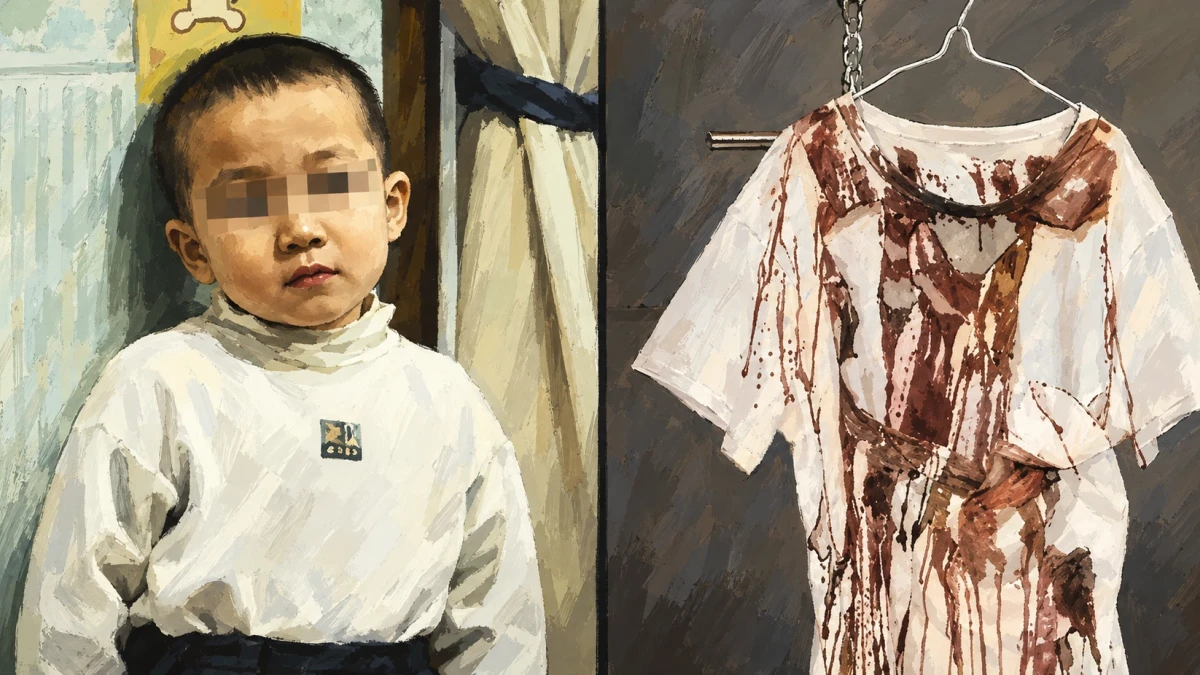
In Hyomok-dong, in the Dong-gu district of Daegu, South Korea, a narrow alley runs between the houses, right outside Kim Tae-wan’s front door. On either side of it stands a utility pole, one big and one small. His mother ran a hair salon nearby, and once a week the six-year-old would leave the salon and cut through this alley on his way to a lesson.
On Thursday 20 May 1999, shortly before eleven in the morning, he left his mother’s salon and headed into the alley, singing as he went. At that hour of the morning the alley was quiet. No one at all was passing through.
Then, within ten minutes, a scream rang out from the far end of the alley.
Forty-nine days later, Tae-wan was dead. He was the only one who could say what had happened in the alley that morning, and from his hospital bed he said it again and again. In the end, not a single word of it was ever accepted as evidence.
The Face He Could Not See
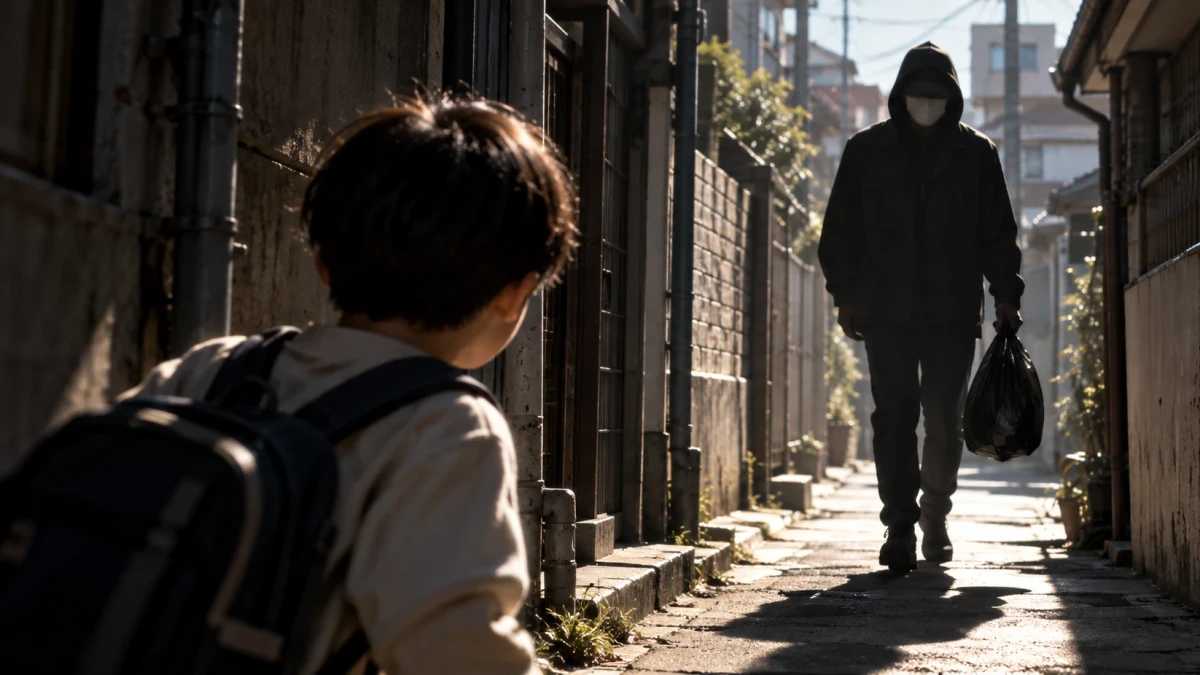
Tae-wan said that after he walked into the alley, an adult came walking towards him from the far end of the alley. The person was a stranger to him. He could not make out the stranger’s face, which looked to him like a mask. In one of the stranger’s hands was a black plastic bag.
Then whatever was in the bag came pouring down on him from behind, drenching him. He later said that someone had poured hot water on him.
It was not hot water, however. It was sulphuric acid, at a concentration of 78 per cent. Why an adult would pour a bag of acid over a six-year-old in an empty alley on a quiet morning, no one knows to this day.
Then the person hurried out of the alley. At that very moment, one of the boy’s friends was walking into it. He was another child who lived in the neighbourhood, and he could not hear. He saw the person who was hurrying away from the alley.
Someone Called His Name
Tae-wan was burning all over, and he tried to run for home. By then he had already lost the sight in both of his eyes. When he reached the spot between the two utility poles, he heard someone calling him.
Later his mother asked him, “How did they call you?” He said the person had called out, “Tae-wan.” That call, he said, came at the very moment the burning was at its worst.
The person who poured the acid, he said, was a stranger whose face he could not make out. But whoever called out to him knew his name. That person knew him.
His Shirt Had Already Burned Through
In the salon, Tae-wan’s mother heard the scream. At first she did not think the scream could be coming from her own child.
She ran out. The front of her son’s shirt had burned through, and so had his trousers. Smoke was still rising from his clothes. Seeing that, she thought he had somehow been caught in a fire. The customers in the salon came running out behind her, shouting, “Hospital, hospital.”
Her son was taken to the hospital. On the way there, he heard the same voice call his name again. And at the hospital, the voice called out to him once more. He said that all three times, it was the same person calling him.
He could no longer see what that person looked like. All he had to remember them by was the voice.
Three Hundred Minutes
At Kyungpook National University Hospital, he regained consciousness. He went on to live for forty-nine more days.
The police asked his parents to find out from him who the person in the alley had been. His burns stiffened his tongue, every word grew harder to get out, and even breathing was a struggle. His mother coaxed him, and sometimes she had no choice but to push him, asking again and again. Each time, he went back to the very beginning of that morning: the alley, the face he could not make out, the two utility poles, the sound of his own name. He told it the same way every time. His parents recorded what he said, three hundred minutes in all, and handed the recordings over to the police.
He could say where along the alley it had happened and which way he had run afterwards. His mother said the police went to the alley and checked everything he had described. Every detail was right.
The police also went to the friend who could not hear. Apart from Tae-wan, he was the only one who had seen that person. Using gestures, he described to the police the person he had seen in the alley that morning.
Even so, the police did not accept what either child had to say. One account came from a six-year-old whose survival was uncertain. The other came in gestures from a child who could not hear. The police judged neither reliable enough, and there was no physical evidence of any kind to back them up.
Yet those words had been gathered because the police themselves had asked the parents to gather them. So a boy who could not see spoke for three hundred minutes, a boy who could not hear showed who he had seen, and in the end neither of them counted as evidence.
On 8 July 1999, nine days before his seventh birthday, Tae-wan died.
The Shoes
In those three hundred minutes, Tae-wan said the person who called his name was a neighbour he knew. What his friend who could not hear showed in gestures also seemed to point to the same neighbour.
The neighbour said that when it happened he had been at home on the phone. He said he had come out only when he heard the child scream, and that once outside he picked the boy up and was the first to get him to the hospital. The police questioned him seven times and gave him two polygraph tests, and never found evidence that he had done it.
His shoes tested positive for sulphuric acid. But they had been sent to the lab together with acid-soaked clothing, so there was no telling whether he had touched the acid directly or picked it up while carrying a child drenched in it. Fifteen years later, when a court put the question to the laboratory again, the answer was the same: it could not be determined.
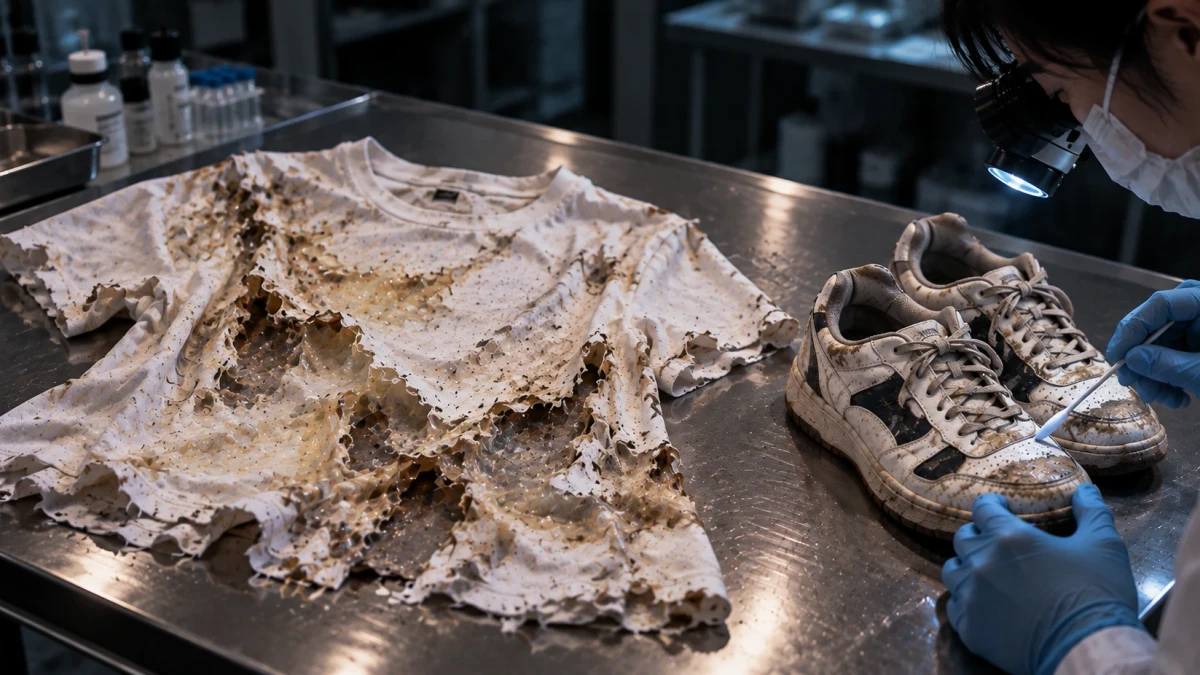
So the voice that kept calling Tae-wan’s name might have belonged to a neighbour who heard a scream and ran out to save him. It might also have belonged to the person who had just poured acid over him. Either was possible, neither could be proved, and the boy’s account was simply set aside.
Time Ran Out
The police kept searching for six years without ever finding out who had been in the alley that morning. In 2005, the investigation headquarters for the case was disbanded.
In 2013, fourteen years after the attack, Tae-wan’s parents asked for the case to be reopened. Newspapers and television picked up the story again, and the police looked once more. Once again, they found no new evidence.
The legal time limit on the case was fifteen years. On 4 July 2014, three days before it ran out, the parents filed a criminal complaint against the neighbour. Prosecutors declined to charge him for lack of objective evidence, and the parents asked a court to rule on whether that decision was right. At midnight on 7 July, the time limit ran out. From that moment, all the case could still wait for was the one answer the court had not yet given.
The court called the boy’s parents to ask about that morning fifteen years earlier, and called his friend’s special-school teacher to ask what the boy’s gestures had meant. In February 2015, the Daegu High Court rejected the application, saying it was difficult to identify the person under suspicion as the attacker. In July that same year, the Supreme Court rejected the appeal as well. From that day on, nobody could be convicted of the attack, even if someone were to come forward and confess to it.
Two weeks later, South Korea’s National Assembly passed, almost unanimously, a law ending the time limit on murder. It was named after the six-year-old and became known as Tae-wan’s Law. But the law does not reach back in time, and his own case is not covered by it.
Only One Person Knows
From that morning on, Tae-wan never saw anything again. All he could tell anyone about was the voice that called his name.
Was the person who stopped him in the alley that morning someone who had heard a scream and come running to save him, or someone who had only just poured acid over him? For twenty-seven years, only that person has known.